Preparing Siblings and Children of Burn Survivors for a Burn Center Visit: A Child Life Perspective
 Written by Abigail Horton, MS, CCLS on March 11, 2026
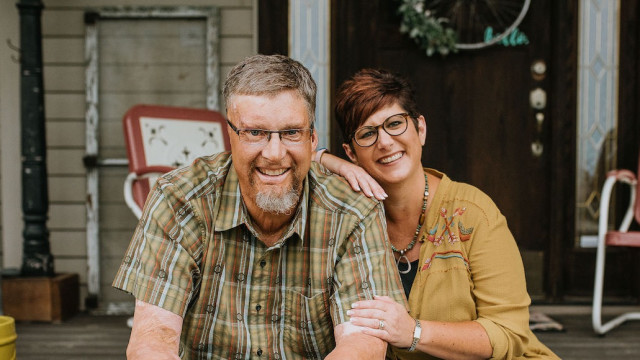
Photo courtesy of Elizabeth Willis Photography.
A burn injury changes a family’s world, and everyone feels the impact—including children. In the early days inside a burn center, families are surrounded by unfamiliar sounds, medical equipment, and a dedicated team focused on healing.
Among doctors, nurses, and therapists, one team member may stand out. Instead of medical tools, they arrive with toys, books, or art supplies. You might see them sitting on the floor playing a game, standing at the bedside during a procedure, or walking alongside a child toward the playroom. This is the role of a child life specialist. For families navigating burn recovery, their presence can make all the difference.
Child life specialists are trained professionals who support children and families as they cope with injury, hospitalization, and trauma. In a burn center, where emotions can run high and uncertainty is constant, child life specialists help children understand what’s happening, express their feelings, and feel safe in an unfamiliar environment.

What Does a Child Life Specialist Bring to the Burn Team?
Photo courtesy of Elizabeth Willis Photography.
Child life specialists play a key role on the burn team by supporting the emotional, developmental, and coping needs of children, whether they are patients or visitors. With training in child development, trauma-informed care, and pediatric coping strategies, they are uniquely equipped to address a wide range of challenges children face in the hospital environment.
For children who are patients, a child life specialist may:
Help them process their burn story through play, storytelling, art, or other therapeutic activities that allow expression in age-appropriate ways.
Prepare and support them for procedures, dressing changes, and operating room visits, using clear and developmentally appropriate explanations or teaching tools.
Offer medical play to help children understand equipment and procedures, express fears, and build a sense of control.
Create daily schedules with the family that blend hospital routines with age-appropriate, family-centered activities that mirror life at home.
Arrange tutoring or classroom support for long stays and guide families through school re-entry classroom visits.
Facilitate programming such as pet therapy, group activities, or community outings when clinically appropriate, supporting emotional well-being and social connection.
Develop and adapt coping plans based on each child’s temperament, interests, and stress responses, helping them build skills that support healing and resilience.
Provide space for children to simply be children through developmental play, which is the natural way they make sense of the world.
For siblings or children of adult burn survivors, child life specialists may:
Offer guidance to caregivers on how to talk with children about the injury and hospitalization.
Meet with visiting children to explain the hospital environment, answer questions, and reduce fears or misconceptions.
Support families as children cope with changes at home, including regression, behavioral changes, anxiety, or emotional withdrawal.
Across all these roles, child life specialists act as advocates for children’s developmental and emotional needs, ensuring their voices are heard and their experiences are understood within the larger burn care team.
Preparing Children and Siblings for a First Visit to the Burn Center
Consulting a child life specialist before bringing a child to the burn unit is often a helpful first step. One of the most important principles they may emphasize is choice. Whenever possible, children should be given the option to visit rather than being forced. Having a choice helps restore a sense of control during a time when much feels uncertain.
If a child chooses to visit, a child life specialist can meet with them ahead of time to prepare. This may include showing pictures, explaining medical equipment, and describing what they might see, hear, or smell in ways that align with the child’s age and understanding. The child life specialist follows the child’s lead, sharing only as much information as the child is ready for and honoring the family’s wishes about what should or shouldn’t be discussed.
This preparation gives children space to ask questions and clear up misunderstandings about why their sibling, parent, or loved one is in the hospital. For example, younger school-age children may worry that the injury is somehow their fault. It’s also important to note that when children are not allowed to visit or are left out of conversations at home, they may fill in the gaps with their own, sometimes more frightening, ideas about what is happening.
During the visit itself, child life specialists offer support in ways that feel gentle and reassuring. They may accompany the child to the bedside, explain medical equipment, or help facilitate early interactions with their loved one. A safe, supportive space (such as a playroom) may be available if the visit feels overwhelming or if the child needs a break. Sometimes, children are given a simple “job,” like choosing music, helping decorate the room, or delivering a drawing, which can help them feel involved and confident.
Above all, child life support sends a powerful message to children: their feelings matter, their presence matters, and they have an important place in their family’s healing journey. By helping children understand what they are seeing and feel supported in how they respond, child life specialists play a meaningful role in helping families move forward—together.
What Children Might Be Thinking but Not Saying
Even if they don’t have the words to express them, children will have questions and feelings about a burn injury. Sometimes those thoughts come out through behavior, play, or silence instead of conversation.
Children may be wondering:
“Did I cause this?” Children may believe they somehow caused the injury or could have prevented it.
“Could this happen to me too?” Fear about their own safety is common.
“Will my parent or sibling look the same?” Changes in appearance can be confusing or scary, and children may worry about recognizing their loved one.
“Why can’t they come home yet?” Long hospital stays can feel endless to a child, especially when routines and family life are disrupted.
“Is it okay to feel scared, mad, or sad?” Children often hold conflicting emotions at once and may feel guilty for having them.
“Who will take care of me now?” When attention is focused on the injured family member, children may quietly worry about their own needs and stability.
These thoughts are normal responses to a traumatic situation. Giving children space to ask questions, express feelings, and receive honest, age-appropriate reassurance can help ease fears and strengthen family connection during the healing journey.
Abby Horton, MS, CCLS, is a Certified Child Life Specialist with over a decade of experience supporting children and families impacted by burn injuries and medical trauma. Her work spans pediatric burn care, inpatient rehabilitation, and critical care, with a focus on trauma-informed, developmentally appropriate support, school re-entry, and family-centered programming. She continues to work in both hospital and community settings, including private practice, extending burn-informed care beyond the hospital.



Join Our Virtual Support Group
For survivors and caregivers seeking support, consider joining Phoenix Society’s Virtual Support Group. This welcoming community offers a safe space to share experiences, find encouragement, and connect with others who understand your journey.
Disclaimer: The medical information provided on this website is intended for general informational purposes only and should not be considered a substitute for professional medical advice, diagnosis, or treatment. Medical knowledge is continually evolving, and recommendations may change over time. Content shared by subject matter experts reflects their expertise and experience at the time of publication and may not be applicable to all individuals. Always seek the guidance of your physician or another qualified healthcare provider with any questions you may have about a medical condition. The views expressed by individual contributors do not necessarily reflect those of Phoenix Society for Burn Survivors.